Cambodia Tourist Attractions: Safe Recommendations for an Unforgettable Journey
Discover Cambodia with confidence — from the magnificent temples of Angkor and the ancient city of Angkor Thom to Phnom Penh, Battambang, Tonlé Sap, Kampot, Kep and Cambodia’s beautiful countryside.
Cambodia is a destination where ancient history, living culture, welcoming communities, remarkable landscapes and unforgettable experiences come together.
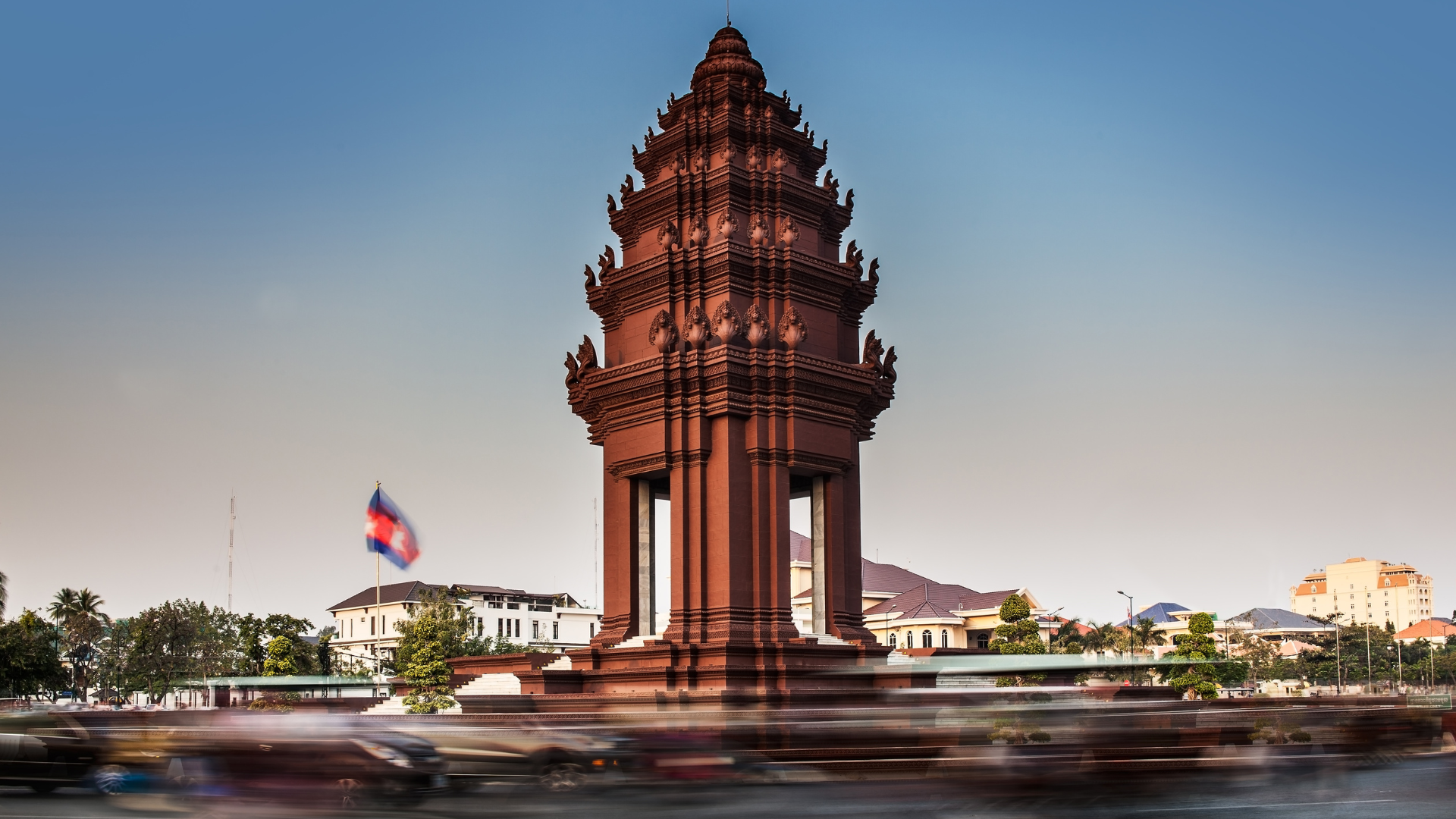
For many travelers, the journey begins in Siem Reap, home to the extraordinary Angkor Archaeological Park. From there, Cambodia opens into a much wider story: royal cities, Buddhist and Hindu temples, traditional villages, floating communities, rivers, waterfalls, forests, islands, beaches, food markets and vibrant modern cities.
But choosing where to go is only part of planning a great Cambodian journey.
A good trip also means knowing how to travel safely, respectfully and responsibly.
This guide from AAA Travel & Tours Cambodia brings together recommended tourist attractions, practical safety advice, responsible travel suggestions and ideas for building a comfortable Cambodia itinerary.
Important travel-safety note: No destination can be guaranteed completely safe. Conditions can change, especially around borders and remote areas. Travelers should check current government travel advisories, local conditions, weather, transportation information and their travel-insurance coverage before and during their journey.
Cambodia at a Glance
Cambodia is one of Southeast Asia’s most rewarding destinations for travelers interested in:
- Ancient temples
- Archaeology
- Khmer history
- Buddhist culture
- Hindu heritage
- Local communities
- Traditional food
- Nature
- Rivers and lakes
- Waterfalls
- Beaches and islands
- Photography
- Family travel
- Private journeys
- Small-group adventures
- Cultural experiences
- Responsible tourism
The country can be explored as a short three-day trip centered on Siem Reap, a longer Cambodia itinerary, or as part of a wider Southeast Asian journey connecting Cambodia with Laos and Vietnam.
For first-time visitors, Siem Reap and Angkor are usually the natural starting point.
- Angkor Wat — Cambodia’s Most Iconic Attraction
No Cambodia travel guide would be complete without Angkor Wat.
Built during the Khmer Empire, Angkor Wat is one of the world’s most recognizable archaeological monuments. Its towers, galleries, bas-reliefs, moats and enormous scale make it an extraordinary place to explore.
For many visitors, the most memorable experience is arriving before sunrise and watching the temple gradually emerge from the morning light.
Why visit Angkor Wat?
Travelers come to Angkor Wat for:
- Khmer architecture
- Ancient history
- Hindu and Buddhist heritage
- Sunrise photography
- Bas-reliefs
- Sacred atmosphere
- Architectural details
- Cultural understanding
But Angkor Wat is much more than a photograph.
The monument becomes far more meaningful when travelers understand its relationship to Khmer civilization, Hindu cosmology, Mount Meru symbolism, kingship and later Buddhist traditions.
Safety recommendations
When visiting Angkor Wat:
- Stay on established visitor routes.
- Follow instructions from park staff.
- Wear suitable footwear.
- Carry water.
- Protect yourself from strong sunlight.
- Be careful on steep or uneven stone surfaces.
- Keep valuables secure.
- Do not climb restricted structures.
- Respect religious spaces.
- Dress appropriately for sacred areas.
- Stay with your guide or travel group when exploring unfamiliar areas.
A professional local guide can help travelers understand both the history and the practical route through the monument.
- Angkor Thom — Explore the Ancient Royal City
After Angkor Wat, one of the most important places to explore is Angkor Thom.
Angkor Thom was a major royal city of the Khmer Empire and contains some of the most extraordinary architectural remains in the Angkor region.
Its monumental gates, walls, terraces and temples reveal a sophisticated urban and religious landscape.
Highlights include:
- South Gate
- Bayon Temple
- Terrace of the Elephants
- Terrace of the Leper King
- Royal enclosure areas
- Ancient roads and reservoirs
The South Gate is particularly impressive, with its monumental figures lining the approach.
Safe exploration
Angkor Thom is extensive, so travelers should:
- Carry drinking water.
- Take breaks during hot weather.
- Follow marked routes.
- Avoid climbing unstable structures.
- Keep children close around elevated areas.
- Use sun protection.
- Allow sufficient time rather than rushing.
The best experience is often slower.
Instead of trying to photograph everything, take time to understand the city.
- Bayon Temple — The Temple of Smiling Faces
At the heart of Angkor Thom stands Bayon, famous for its enormous carved faces.
The temple is one of Cambodia’s most memorable architectural experiences.
Its towers create an extraordinary three-dimensional landscape where faces appear from different directions as visitors move through the monument.
Why travelers love Bayon
Bayon combines:
- Architecture
- Sculpture
- History
- Symbolism
- Photography
- Mystery
The temple also contains detailed bas-reliefs showing scenes from Khmer life and historical events.
Safety tips
Bayon has narrow passages, stairs and uneven surfaces.
Visitors should:
- Move slowly.
- Use handrails where provided.
- Watch their footing.
- Avoid blocking narrow passageways.
- Respect other visitors.
- Follow restrictions around fragile areas.
A knowledgeable guide can explain what travelers are seeing rather than allowing the temple to become simply a sequence of photographs.
- Ta Prohm — Temple and Jungle
Ta Prohm is famous for the extraordinary relationship between architecture and vegetation.
Large trees and roots have grown around sections of the ancient structure, creating one of Cambodia’s most recognizable landscapes.
It is often associated with the modern imagination of jungle temples.
What makes Ta Prohm special?
- Ancient Khmer architecture
- Giant tree roots
- Atmospheric pathways
- Intricate carvings
- Photographic opportunities
- A powerful sense of history
Safe visit recommendations
Ta Prohm can become busy.
For a more comfortable experience:
- Start early when possible.
- Stay on visitor paths.
- Do not climb trees or structures.
- Avoid touching carvings.
- Be careful around roots and uneven stones.
- Keep bags and cameras secure.
- Listen to your guide and park staff.
The best photograph is never worth damaging a 900-year-old monument.
5. Banteay Srei — The Citadel of Women
Located outside the main Angkor circuit, Banteay Srei is famous for its detailed pinkish sandstone carvings.
The temple is smaller than Angkor Wat, but its decoration is exceptionally intricate.
It is especially popular with:
- Architecture lovers
- Photographers
- History travelers
- Couples
- Cultural travelers
- Travelers looking for a quieter temple experience
What to look for
Pay attention to:
- Devata figures
- Floral patterns
- Mythological scenes
- Doorways
- Pediments
- Fine sandstone carving
Because Banteay Srei is farther from central Siem Reap, a private vehicle and experienced driver or guide can make the visit much easier.
- Preah Khan — A Different Side of Angkor
Preah Khan offers another perspective on the scale and complexity of the Khmer Empire.
The temple combines long galleries, courtyards, libraries, towers, sculptures and vegetation.
Compared with the most famous Angkor temples, Preah Khan can feel more spacious and atmospheric.
It is an excellent choice for travelers who want to go beyond the standard highlights.
Recommended for:
- History lovers
- Photographers
- Architecture enthusiasts
- Repeat visitors to Angkor
- Travelers interested in less crowded experiences
7. Phnom Bakheng — Sunset and Landscape
Phnom Bakheng is historically significant and is also known for its elevated position overlooking the Angkor landscape.
Because sunset locations can become crowded, travelers should follow current access rules and local guidance rather than assuming that every viewpoint is always available.
Safety
The climb can involve uneven and steep terrain.
Travelers should:
- Wear proper footwear.
- Take their time.
- Carry water.
- Avoid climbing outside designated routes.
- Follow staff instructions.
- Leave before conditions become unsafe.
8. Phnom Kulen — Mountains, Waterfalls and Sacred Landscapes
For travelers wanting a break from temples, Phnom Kulen offers a different experience.
The Kulen region is associated with Khmer history, sacred landscapes, waterfalls and natural scenery.
Highlights can include:
- Phnom Kulen waterfall
- Sacred river areas
- Ancient carvings
- Forest landscapes
- Local communities
- Mountain scenery
The area provides an opportunity to combine history and nature.
Safety recommendations
Because parts of Cambodia’s rural and forested areas can contain unexploded ordnance, travelers should remain on established routes and follow local guidance. Current travel advisories specifically warn travelers not to touch unknown metal objects and to use local guides when traveling in areas where unexploded ordnance may exist.
Never pick up, move or investigate suspicious metal objects.
If something looks unusual or potentially dangerous:
Do not touch it. Move away and report it to appropriate local authorities.
- Tonlé Sap Lake — Experience Cambodia’s Water World
Tonlé Sap is one of Southeast Asia’s most remarkable freshwater ecosystems.
The lake supports communities whose lives are closely connected to water.
Depending on the season and location, visitors may experience:
- Boat journeys
- Floating communities
- Fishing culture
- Wetlands
- Birdlife
- Rural landscapes
- Traditional livelihoods
Responsible travel matters
Visitors should remember that these are real communities, not theme parks.
Travel respectfully:
- Ask before photographing people.
- Avoid intrusive photography.
- Follow local rules.
- Support legitimate local businesses.
- Do not distribute inappropriate gifts directly to children.
- Listen to community guides.
The goal should be connection and understanding, not simply collecting photographs.
- Siem Reap — More Than a Gateway to Angkor
Many travelers initially think of Siem Reap only as the place where they sleep before visiting Angkor.
That is a mistake.
Siem Reap is a destination in its own right.
Visitors can explore:
- Old Market
- Pub Street area
- Local markets
- Cambodian restaurants
- Cafés
- Cultural performances
- Artisan workshops
- Local communities
- Countryside
- Museums
- Traditional crafts
- Night markets
The city provides an opportunity to combine ancient history with contemporary Cambodian life.
Staying safe in Siem Reap
As in many tourist destinations, travelers should protect phones, wallets and bags, particularly in crowded areas.
Do not display expensive equipment unnecessarily.
When using tuk-tuks or other open vehicles, keep bags secure and avoid leaving phones or cameras exposed.
- Phnom Penh — Cambodia’s Modern Capital
Phnom Penh offers a very different experience from Siem Reap.
The capital combines:
- Royal history
- Museums
- Markets
- Contemporary Cambodian life
- Restaurants
- Cafés
- Riverside scenery
- Modern businesses
- Historic neighborhoods
Recommended attractions include:
Royal Palace
A major architectural and cultural landmark in the capital.
Silver Pagoda
Located within the Royal Palace complex, it is associated with important Cambodian Buddhist heritage.
National Museum
A valuable introduction to Khmer art and archaeological heritage.
Central Market
A famous landmark and a place to experience the energy of the city.
Riverside
A popular area for walking, dining and observing Phnom Penh’s urban life.
- Phnom Penh Safety Recommendations
Travelers should take normal urban precautions, with particular attention to personal belongings.
Current U.S. travel guidance specifically warns of street crime in Phnom Penh, including phone and bag snatching, and advises travelers not to physically resist a robbery.
Practical recommendations:
- Keep phones away from the roadside.
- Use secure bags.
- Avoid displaying large amounts of cash.
- Keep passports secure.
- Use reputable transportation.
- Be particularly careful in crowded areas.
- Avoid accepting drinks from strangers.
- Do not leave drinks unattended.
- Use extra caution after dark.
- Keep emergency contacts available.
Safety is not about being afraid.
It is about being prepared.
- Battambang — Cambodia’s Cultural Countryside
Battambang is one of Cambodia’s most interesting destinations for travelers who want to experience a different side of the country.
The city and surrounding countryside offer:
- Colonial architecture
- Khmer temples
- Rural landscapes
- Art
- Local food
- Traditional communities
- Rice fields
- Cultural experiences
Battambang can work particularly well for travelers who have already visited Angkor and want to slow down.
Rural safety
Stay on established routes and follow local advice.
This is especially important when exploring remote countryside because unexploded ordnance remains a concern in parts of Cambodia.
- Kampot — River, Countryside and Relaxation
Kampot offers a slower atmosphere.
The area is known for:
- Riverside scenery
- Countryside
- Pepper production
- Food
- Colonial-era architecture
- Nearby natural attractions
- Day trips
It is a good destination for travelers who want to combine cultural exploration with relaxation.
- Kep — Cambodia’s Coastal Escape
Kep is known for its coastal setting and seafood.
Travelers can combine:
- Seafood
- Coastal scenery
- Local markets
- Countryside
- Island excursions
- Relaxation
Kep is particularly suitable for travelers who want a quieter coastal experience after visiting Cambodia’s major cities and temples.
16. Cambodia’s Islands and Beaches
Cambodia also offers tropical coastal destinations and islands.
Popular coastal areas can provide:
- Beaches
- Swimming
- Island trips
- Snorkeling
- Relaxation
- Seafood
- Sunset experiences
However, travelers should always assess weather and sea conditions before taking boats or participating in water activities.
Do not assume that calm conditions at the beach mean conditions are equally safe offshore.
- Sihanoukville — Travel With Awareness
Sihanoukville has undergone significant development and transformation.
Travelers should research their accommodation, transportation and activity providers carefully.
Current travel advice highlights crime concerns in Cambodia and recommends heightened awareness in tourist areas.
When visiting coastal destinations:
- Use reputable accommodation.
- Choose established transportation.
- Be cautious with valuables.
- Avoid walking alone in unfamiliar areas late at night.
- Check boat and weather conditions.
- Keep emergency contacts available.
- Preah Vihear and Remote Temple Areas
Cambodia has extraordinary temples beyond Angkor.
However, remote temple travel requires additional planning.
Some archaeological sites are located in areas where unexploded ordnance and landmines remain a concern.
Current U.S. guidance identifies several provinces, including Preah Vihear, as areas where travelers should exercise increased caution because of unexploded ordnance.
The safest approach is:
Stay on established routes and use experienced local guides.
Never leave a recognized path simply to explore an interesting-looking object or structure.
- Cambodia Border Areas — Check Before You Go
Travel conditions near international borders can change rapidly.
As of the latest UK and U.S. government travel guidance available in October 2026, travelers are advised against travel to certain areas along the Cambodia–Thailand border because of ongoing security concerns.
This means travelers should not rely on old blog posts, social-media videos or previous personal experience when planning border-area travel.
Before traveling:
- Check the latest official travel advisory.
- Check local conditions.
- Confirm whether attractions are open.
- Confirm road conditions.
- Confirm transportation.
- Check your travel insurance.
- Ask your accommodation or trusted local operator for current information.
Important
Do not travel into restricted or advised-against border areas simply because an older travel article says they are open.
- Cambodia Temple Safety
Cambodia’s temples are ancient monuments.
They were not designed as modern tourist attractions.
Visitors should therefore expect:
- Uneven stone
- Steep stairs
- Narrow corridors
- Low doorways
- Hot surfaces
- Limited shade
- Slippery areas during rain
Wear:
- Comfortable walking shoes
- Breathable clothing
- Sun protection
- Hat
- Sunglasses
Carry:
- Water
- Phone
- Small first-aid items
- Necessary medication
- Identification copies
- Travel insurance information
- Dress Respectfully at Temples
Cambodian temples are places of history and religion.
Dress respectfully.
At major religious sites, travelers should avoid clothing that is excessively revealing.
A practical temple outfit can include:
- Lightweight trousers
- Long skirt
- Knee-length or longer shorts where permitted
- Shirt covering shoulders where required
- Comfortable walking shoes
A respectful traveler is welcomed more warmly.
- Heat and Sun Safety
Cambodia’s climate can be hot and humid.
Temple exploration can become physically demanding, especially when walking for several hours.
Protect yourself by:
- Drinking water regularly.
- Taking shade breaks.
- Wearing a hat.
- Using sunscreen.
- Starting temple tours early.
- Avoiding excessive midday exertion.
- Listening to your body.
A private itinerary can be designed around the heat.
For example:
Early morning temples → hotel rest → afternoon cultural experience → sunset activity
This can be much more comfortable than trying to walk continuously from morning to evening.
- Mosquito and Insect Protection
Mosquito-borne diseases can occur in parts of Cambodia.
Travelers should consider:
- Insect repellent
- Long sleeves in appropriate environments
- Long trousers
- Accommodation with appropriate screening or air conditioning
- Professional medical advice before travel when appropriate
Health risks vary by region and season. Current travel-health information should be checked before departure.
- Food and Drinking Water
Cambodian food is one of the highlights of the journey.
Travelers can enjoy:
- Amok
- Khmer curry
- Lok Lak
- Nom Banh Chok
- Fresh fruit
- Cambodian desserts
- Street food
- Local coffee
- Regional specialties
Food safety recommendations
Choose food establishments with good hygiene practices.
Be careful with:
- Food that has been sitting uncovered for long periods.
- Raw foods when hygiene is uncertain.
- Ice from unknown sources.
- Unwashed produce.
- Food stored at unsafe temperatures.
For drinking water, travelers should follow current health guidance and use sealed or reliably treated water where appropriate.
- Transportation Safety
Transportation is an important part of a Cambodia itinerary.
Options can include:
- Private cars
- Minivans
- Tuk-tuks
- Buses
- Domestic flights
- Boats
- Motorcycles
- Bicycles
Choose transportation based on:
Distance + weather + road conditions + comfort + traveler experience.
For long journeys, many international visitors prefer private vehicles with experienced drivers.
Travelers should use seat belts where available and avoid unsafe driving behavior.
- Tuk-Tuk Safety
Tuk-tuks are an iconic part of Cambodian travel.
They can be enjoyable for short journeys.
However, travelers should keep belongings secure because open vehicles provide less protection from opportunistic theft.
Current U.S. guidance specifically warns that phones, bags and other valuables can be targeted from open-air vehicles.
Simple rules:
- Keep bags inside.
- Don’t hold your phone toward the road.
- Don’t leave cameras hanging loosely.
- Agree on the destination before departure.
- Use trusted drivers where possible.
- Motorcycle and Scooter Safety
Renting a motorcycle may appear convenient, but visitors should honestly assess their experience.
Consider:
- Local traffic conditions
- Road quality
- Weather
- Driving habits
- Licensing requirements
- Insurance
- Helmet availability
If you are inexperienced, a private car with a professional driver is often a much more comfortable option.
- Keep Your Passport Secure
Your passport is one of your most important travel documents.
Keep it secure.
Recommended practices include:
- Store it safely when appropriate.
- Carry a secure copy.
- Keep digital copies in a protected account.
- Don’t leave it unattended.
- Have emergency contact information available.
If your passport is lost or stolen, contact local authorities and your embassy or consulate as appropriate.
- Money and Valuables
Cambodia uses the Cambodian riel, while U.S. dollars are also widely used in everyday tourism transactions.
Travelers should:
- Carry only what they need.
- Keep cash distributed securely.
- Protect cards.
- Monitor transactions.
- Be careful when exchanging money.
- Check large U.S. dollar notes carefully.
Current U.S. guidance specifically recommends checking $100 bills carefully before accepting them.
- Protect Your Phone
A smartphone is extremely valuable when traveling.
It contains:
- Passport photographs
- Hotel reservations
- Banking apps
- Maps
- Travel contacts
- Photos
- Personal information
Therefore:
- Use a screen lock.
- Enable device tracking.
- Back up important information.
- Avoid leaving the phone near open vehicle edges.
- Be careful with public Wi-Fi.
- Use secure connections for sensitive transactions.
- Travel Insurance
Travel insurance should be considered an essential part of international travel planning.
Depending on your policy, coverage may include:
- Medical treatment
- Emergency evacuation
- Trip cancellation
- Lost baggage
- Travel delays
- Certain adventure activities
Read the policy carefully.
Do not assume that every activity is automatically covered.
The UK government advises travelers to obtain appropriate travel insurance covering their itinerary, activities and emergency expenses.
- Emergency Numbers in Cambodia
Travelers should save important numbers before their journey.
Current UK government guidance lists:
Police: 117
Fire: 118
Ambulance: 119
Tourist Police are also available in major tourist destinations, including Siem Reap and Phnom Penh.
Because emergency response can vary, travelers should also keep the contact details of:
- Their hotel
- Their tour operator
- Their travel insurer
- Their embassy or consulate
- Their local guide
- What to Do If Your Phone or Bag Is Stolen
If theft occurs:
Step 1
Move somewhere safe.
Step 2
Do not physically confront the thief.
Step 3
Contact your guide, hotel or trusted local contact.
Step 4
Report the incident to the police where appropriate.
Step 5
Contact your bank if cards were stolen.
Step 6
Lock or track your phone remotely.
Step 7
Contact your insurer.
Step 8
Contact your embassy or consulate if your passport was stolen.
Current U.S. guidance specifically advises travelers not to physically resist robbery because resistance can result in injury.
- Responsible Photography
Cambodia is incredibly photogenic.
But responsible photography is important.
Before photographing:
- Children
- Monks
- Local families
- Workers
- Religious ceremonies
ask permission when appropriate.
Do not treat vulnerable communities as photographic attractions.
A good travel photograph should preserve dignity.
- Respect Buddhist Monks
Cambodia has a strong Buddhist cultural tradition.
Visitors should behave respectfully around monks and religious ceremonies.
Avoid:
- Touching monks without appropriate cultural context.
- Interrupting religious ceremonies.
- Taking intrusive photographs.
- Sitting higher than monks in inappropriate circumstances.
- Entering restricted spaces.
Women should also follow local expectations regarding physical contact with monks.
When uncertain, ask your guide.
- Do Not Touch Ancient Carvings
Ancient stone is fragile.
Thousands of visitors touching the same carving can cause long-term damage.
Instead:
Look closely without touching.
Photography can preserve the memory without damaging the monument.
37. Children and Tourism
Visitors often encounter children around tourist destinations.
A compassionate traveler may want to help.
However, direct cash or gifts to children can unintentionally encourage children to remain in tourist areas instead of attending school.
Consider supporting reputable community organizations or responsible businesses instead.
38. Responsible Travel in Rural Cambodia
Rural Cambodia provides some of the most meaningful experiences.
Travelers may visit:
- Rice fields
- Villages
- Farms
- Craft workshops
- Local markets
- Family businesses
- Community projects
The best rural experiences are based on mutual respect.
Ask before entering private areas.
Ask before photographing.
Buy directly from local producers where possible.
- Best Cambodia Attractions for First-Time Visitors
If you have only a few days, consider:
Day 1
Angkor Wat + Angkor Thom + Bayon + Ta Prohm
Day 2
Banteay Srei + countryside + local experience
Day 3
Tonlé Sap + Siem Reap culture + local food
This is only a starting framework.
A better itinerary depends on:
- Arrival time
- Departure time
- Season
- Fitness
- Family needs
- Budget
- Interests
- Hotel location
- Desired pace
- Best Cambodia Attractions for Families
Families may enjoy:
- Angkor Wat
- Angkor Thom
- Bayon
- Ta Prohm
- Tonlé Sap
- Cambodian cooking experiences
- Artisan workshops
- Waterfalls
- Countryside experiences
For families, avoid trying to visit too many temples in a single day.
Children usually benefit from:
shorter visits + storytelling + breaks + food + nature + hands-on experiences.
41. Best Attractions for Couples
For couples, Cambodia offers many memorable combinations.
Consider:
- Angkor Wat sunrise
- Private temple exploration
- Sunset countryside
- Khmer dinner
- Cultural performance
- Tonlé Sap sunset
- Boutique hotel experience
- Phnom Penh riverside
- Kampot countryside
- Kep seafood
A private itinerary allows the pace to be adapted around the couple.
- Best Attractions for Photographers
Photography-focused travelers may enjoy:
Angkor Wat
Sunrise architecture.
Bayon
Faces and stone details.
Ta Prohm
Trees and ancient ruins.
Banteay Srei
Intricate carvings.
Tonlé Sap
Water landscapes and community life.
Countryside
Rice fields and rural life.
Phnom Penh
Architecture and street scenes.
Always follow local rules and avoid entering restricted areas for photographs.
- Best Attractions for History Lovers
History-focused travelers should consider:
- Angkor Wat
- Angkor Thom
- Bayon
- Preah Khan
- Ta Prohm
- Banteay Srei
- Roluos temples
- National Museum
- Phnom Penh historical sites
- Battambang
- Phnom Kulen
The key is not simply visiting more sites.
It is understanding how they connect.
- Best Attractions for Nature Lovers
Cambodia offers more than temples.
Consider:
- Phnom Kulen
- Tonlé Sap
- Cardamom landscapes
- Waterfalls
- Countryside
- Coastal areas
- Islands
- Wetlands
- Forest environments
Nature travel should always follow local environmental and safety guidance.
- Cambodia Beyond Angkor
Angkor is Cambodia’s international icon.
But Cambodia is much bigger than Angkor.
A longer trip can reveal:
Siem Reap → Battambang → Phnom Penh → Kampot → Kep
or:
Siem Reap → Phnom Penh → Kampot → Kep → Islands
For travelers with more time, Cambodia can also connect naturally with Laos and Vietnam.
- Cambodia, Laos and Vietnam Journey
For travelers planning a Southeast Asia trip, Cambodia can become the center of a multi-country itinerary.
One possible route:
Vietnam → Cambodia → Laos
Another:
Laos → Cambodia → Vietnam
AAA Travel & Tours can design journeys around:
- Ancient heritage
- Food
- Culture
- Nature
- Adventure
- Family travel
- Luxury
- Photography
- Local experiences
The important principle is to avoid packing too many destinations into too little time.
- Why Travel With a Local Guide?
A local guide can provide much more than directions.
A knowledgeable guide can help travelers understand:
- Temple symbolism
- Khmer history
- Religious traditions
- Local customs
- Food
- Communities
- Geography
- Photography locations
- Transportation
- Timing
- Practical safety
A guide also helps transform:
“I saw a temple.”
into:
I understand why this temple was built, what it meant and how it connects to Cambodian history.
That difference can change an entire journey.
- Choosing a Cambodia Tour Company
When selecting a tour operator, travelers should look beyond photographs and prices.
Check:
- Company identity
Is the company clearly identifiable? - Contact information
Can you reach a real person? - Reviews
Are reviews consistent across reputable platforms? - Itinerary clarity
Are inclusions and exclusions clear? - Transportation
Is the vehicle arrangement explained? - Guide information
Are guides properly identified? - Payment
Are payment methods transparent? - Cancellation
Are policies clearly explained? - Emergency support
Who can travelers contact during the journey? - Local knowledge
Does the company demonstrate genuine destination expertise?
- Why Private Tours Can Improve Safety and Comfort
Private travel is not automatically safer in every situation.
However, it can provide greater flexibility.
A private itinerary can adapt to:
- Weather
- Heat
- Family needs
- Mobility
- Crowds
- Temple opening conditions
- Traveler preferences
- Unexpected delays
Instead of following a rigid timetable, the guide and traveler can make sensible decisions together.
- Small-Group Travel
Small groups can offer a balance between:
Price + social experience + local guidance + organization.
For travelers who don’t want to travel completely independently but also don’t want a large bus group, small-group tours can be a good option.
- Travel Slowly
One of the biggest mistakes visitors make is trying to see everything.
Cambodia rewards slower travel.
Instead of:
10 temples in one day
consider:
4 meaningful sites + good food + local conversation + rest + sunset.
The objective is not to collect attractions.
It is to experience a place.
- A Safe Cambodia Travel Philosophy
At AAA Travel & Tours, we believe good travel combines:
Discover
See extraordinary places.
Understand
Learn their history and meaning.
Respect
Honor local communities and heritage.
Protect
Keep yourself and others safe.
Connect
Meet people and experience local life.
Remember
Leave with stories rather than simply photographs.
- Cambodia Travel Safety Checklist
Before leaving your hotel:
☐ Phone charged
☐ Power bank
☐ Drinking water
☐ Sunscreen
☐ Hat
☐ Comfortable shoes
☐ Small amount of cash
☐ Secure bag
☐ Passport stored safely
☐ Emergency contacts
☐ Hotel information
☐ Travel insurance details
☐ Tour guide contact
☐ Weather checked
☐ Transportation confirmed
- Cambodia Temple Checklist
Before entering a temple:
☐ Dress respectfully
☐ Wear suitable footwear
☐ Carry water
☐ Follow signs
☐ Stay on designated routes
☐ Do not climb restricted structures
☐ Do not touch carvings
☐ Respect monks and worshippers
☐ Ask before photographing people
☐ Listen to your guide
- Rural Travel Checklist
When exploring countryside or remote areas:
☐ Stay on established routes
☐ Use experienced local guides
☐ Do not touch unknown objects
☐ Do not wander into unmarked areas
☐ Check local conditions
☐ Carry sufficient water
☐ Inform someone of your itinerary
☐ Follow local instructions
Current official travel guidance emphasizes the continuing presence of landmines and unexploded ordnance in parts of Cambodia, including some rural and border areas.
- What Makes Cambodia Special?
Cambodia is not only a collection of tourist attractions.
It is a living country.
Its extraordinary temples are connected to:
- History
- Religion
- Architecture
- Agriculture
- Water
- Kingship
- Community
- Art
- Food
- Family
- Modern Cambodian life
A meaningful trip brings these elements together.
- AAA Travel & Tours Cambodia
AAA Travel & Tours** is a Siem Reap-based destination management company creating private and small-group journeys across Cambodia and Southeast Asia.
Our approach is built around:
Local knowledge.
Thoughtful planning.
Authentic experiences.
Comfortable travel.
Responsible exploration.
From a first sunrise at Angkor Wat to a quiet Cambodian countryside road, every journey should feel personal.
We help travelers discover Cambodia through its temples, landscapes, food, history, communities and living culture.
- Recommended Cambodia Travel Experiences
For first-time visitors, AAA Travel & Tours recommends considering a combination of:
Angkor Heritage
Angkor Wat
Angkor Thom
Bayon
Ta Prohm
Preah Khan
Banteay Srei
Local Culture
Cambodian food
Traditional arts
Local markets
Craft experiences
Village visits
Cultural performances
Nature
Phnom Kulen
Waterfalls
Tonlé Sap
Countryside
Wetlands
Coastal landscapes
Cities
Siem Reap
Phnom Penh
Battambang
Kampot
Kep
- The Safest Journey Is a Well-Planned Journey
Safety does not mean avoiding adventure.
It means understanding the environment before entering it.
A well-planned Cambodia journey considers:
Where you go.
When you go.
How you travel.
Who you travel with.
What the current local conditions are.
What insurance covers you.
What you should do in an emergency.
That preparation allows travelers to relax and enjoy the country.
- Final Recommendation: Discover Cambodia With Confidence
Cambodia offers some of Southeast Asia’s most extraordinary travel experiences.
From the sunrise silhouette of Angkor Wat to the mysterious faces of Bayon, the roots of Ta Prohm, the delicate carvings of Banteay Srei, the waters of Tonlé Sap, the streets of Phnom Penh and the peaceful countryside beyond the cities, Cambodia rewards travelers who take the time to look deeper.
Travel responsibly.
Respect the culture.
Protect the heritage.
Listen to local advice.
Stay informed about current conditions.
And choose experiences that connect you with the people and places that make Cambodia special.
Don’t just visit Cambodia. Understand it.
Let AAA Travel & Tours help you discover Cambodia through ancient wonders, living cultures, local expertise and unforgettable journeys.
Plan Your Cambodia Journey With AAA Travel & Tours
Whether you are planning:
- A 1-day Angkor Wat tour
- A 3-day Siem Reap itinerary
- A Cambodia family holiday
- A private Angkor experience
- A Cambodia cultural journey
- A Cambodia and Vietnam itinerary
- A Cambodia, Laos and Vietnam journey
- A photography trip
- A luxury private journey
- A customized Southeast Asia adventure
AAA Travel & Tours can help build a journey around your interests, schedule and preferred travel style.
Discover Cambodia. Travel Responsibly. Experience More.
AAA Travel & Tours Cambodia
Siem Reap · Cambodia
Private & Small-Group Journeys
Cambodia · Laos · Vietnam · Southeast Asia
Travel Safety Disclaimer
Travel conditions, border situations, attraction access, weather, transportation and government travel advisories can change. The information in this article is intended as general travel information and should not replace official government guidance, local instructions, professional medical advice or your travel-insurance provider’s advice.
Before departure and during your journey, check current official travel advice for Cambodia and the specific areas you plan to visit. As of October 2026, current U.S. and UK guidance identifies particular security concerns in parts of Cambodia, including certain areas near the Thailand border, and warns travelers about crime and unexploded ordnance.
For emergencies in Cambodia, current UK guidance lists 117 for police, 118 for fire and 119 for ambulance.
Travel informed. Travel respectfully. Travel with care.
Hi, this is a comment.
To get started with moderating, editing, and deleting comments, please visit the Comments screen in the dashboard.
Commenter avatars come from Gravatar.